A services page built for real decisions, not just a list of names.
Families, participants, and coordinators often need more than broad service titles. They need to know what support is actually for, how it fits day to day, and what they can realistically expect from the provider delivering it.
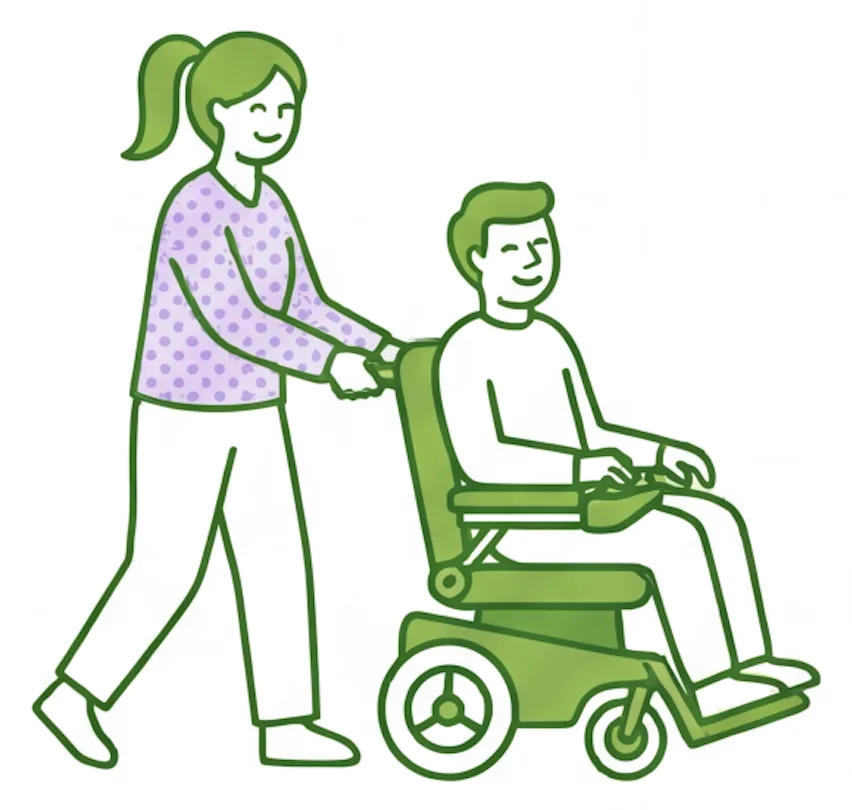 Support that shows up
Why this page is structured by goals
Service names can be confusing on their own. Someone might know they need better daily structure, help transitioning out of hospital, support for complex physical needs, or assistance reconnecting with community and mental health supports — but still not know which service title matches that need. Grouping support by goal makes the first step more intuitive and helps families and coordinators get to the right conversation faster.
Less guesswork
People can begin with the outcome they are trying to achieve, then move into the specific service that supports it.
Better planning conversations
Coordinators and families can talk through needs in a more grounded way, including routines, risk, complexity, communication, and fit.
Stronger service confidence
Trust builds when a provider explains support clearly, is realistic about capacity, and communicates how services will actually be delivered.
Start with the goal, then move into the support underneath it.
The three pathways below are designed to make the page easier to navigate while still giving enough detail for informed decision-making.
Independence
For people who need day to day support that helps life feel safer, steadier, more manageable, and more self-directed over time.
Specialist
For people whose support needs involve greater complexity, higher physical needs, more clinical oversight, or specialised delivery requirements.
Engagement
For people working toward connection, confidence, routine, community participation, mental wellbeing, and stronger recovery-oriented support.
Supports that help everyday life feel safer, steadier, and more workable.
Independence does not always mean doing everything alone. Often, it means having the right support in place so routines become more manageable, confidence improves, and the person receiving support has greater control over their daily life.
Typical focus: Stable routines, daily living, supported accommodation outcomes, respite, and practical support that helps life feel less overwhelming.
 Everyday life, made workable
Supported Independent Living (SIL)
SIL is designed for people who need ongoing support within the home so they can live as safely and independently as possible.
- Support with day to day routines and household living
- Assistance that aligns with the participant’s care needs and goals
- Consistency and structure within the living environment
Short Term Accommodation (STA)
STA can provide a change of environment, temporary support, or a short break that is still delivered with care, planning, and stability.
- Short stay support in a safe and supported setting
- Structured assistance during respite or transition periods
- A practical option when routine or care temporarily needs to shift
Daily Living Supports
These supports focus on the everyday tasks and rhythms that help a person stay organised, well, and engaged in their own life.
- Personal routines, prompts, and day planning
- Support with meals, appointments, and community access tied to daily life
- Encouragement that builds confidence rather than taking over unnecessarily
This pathway is often a good fit when...
- a person needs structured support to manage daily life more safely and consistently
- family or coordinators are trying to stabilise routines, living arrangements, or respite planning
- the goal is greater independence over time, not just task completion in the moment
Supports for higher complexity, greater risk, and more specialised delivery.
Some support needs require more than standard community assistance. They may involve high physical needs, complex routines, greater vulnerability, more careful worker matching, or confidence that staff are trained and appropriate for the support environment.
Typical focus: Complexity, risk management, skilled delivery, continuity, and clearer operational oversight around how support is provided.
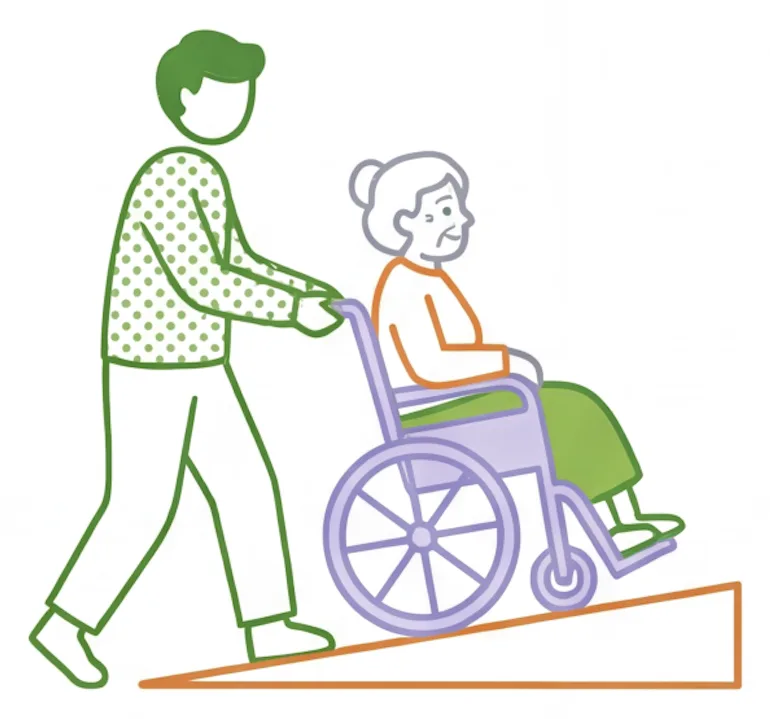 Prepared for complexity
Complex Care
Complex care supports people whose day to day needs involve higher levels of coordination, sensitivity, or practical expertise.
- Support environments where consistency and attention to detail matter
- Care that needs stronger communication across stakeholders
- A more careful approach to matching workers and maintaining routine
High Intensity Daily Personal Activities (HiDPAS)
HiDPAS supports are for participants whose daily support needs are more intensive and require staff who are appropriately prepared for the work.
- Higher support needs that require training, confidence, and appropriate oversight
- Delivery grounded in safety, consistency, and clear practice expectations
- A stronger focus on getting the right worker fit from the outset
In-home Support Services
In-home support within this pathway is focused on people whose home-based support needs go beyond basic assistance and require a more tailored, reliable service response.
- Support delivered in the person’s own environment
- Routine-based assistance with strong communication and follow-through
- Useful where the home setting is central to care stability and wellbeing
This pathway is often a good fit when...
- there are higher daily care needs or more specialised support requirements
- a coordinator or family needs confidence that staffing, communication, and follow-through will be handled carefully
- the support environment requires reliability, worker suitability, and more detailed oversight
Supports that strengthen connection, confidence, and meaningful participation.
Engagement-focused support is about more than keeping busy. It is about helping people reconnect with life in a way that feels realistic, respectful, and personally meaningful — whether that involves community participation, mental health support, or recovery-oriented work.
Typical focus: Connection, confidence, social participation, psychosocial support, recovery-oriented thinking, and more sustainable engagement with life.
 Connection that feels real
Community Participation
Community participation support helps people access the places, activities, and routines that matter to them in a more supported and confident way.
- Community access linked to interests, routine, and participation goals
- Support that focuses on inclusion, confidence, and consistency
- Practical assistance to help the person participate rather than stay isolated
Mental Health Support
Mental health support can help participants maintain routine, reduce overwhelm, and stay connected to day to day life with the right level of practical assistance.
- Support that recognises the impact of mental health on daily functioning
- Consistency and relational safety matter deeply in this space
- A grounded, person-centred approach rather than one-size-fits-all support
Psychosocial Recovery Coaching
Recovery coaching supports participants living with psychosocial disability to strengthen capacity, increase direction, and work toward sustainable recovery-focused goals.
- Goal-oriented support linked to the person’s own recovery journey
- Coordination and problem-solving around barriers to progress
- Focus on capacity, connection, and practical next steps
This pathway is often a good fit when...
- the person needs support to reconnect with community, routine, confidence, or mental wellbeing
- the goal is not only care delivery, but more meaningful participation in life
- recovery-oriented and psychosocial supports need patience and practical consistency
What the start of service should feel like
The beginning of support sets the tone for everything that follows. People need clarity, not confusion. Realistic conversations, not overpromising. They need to know who is involved, how things will be communicated, and what happens next.
Understand the need
Start with the person, their goals, the environment, current challenges, and any complexity that affects how support should be delivered.
Confirm fit and scope
Be clear about what support is needed, what success looks like, and whether the service is the right fit operationally and clinically.
Match and prepare
Careful worker selection, practical briefing, and clear handover information are essential to a smoother service start.
Communicate and review
Once support begins, visibility, follow-up, and responsiveness matter. Good service is built through ongoing communication, not silence.
Trust comes from how services are delivered, not just how they are described.
Families and coordinators are often carrying a lot when they reach out. They are trying to keep someone safe, reduce pressure, solve a gap, prevent things from falling apart, or finally find a provider who communicates properly. The most reassuring thing a provider can offer is not generic values language — it is a service experience that feels stable, transparent, realistic, and accountable.
Trained staff and fit-for-role support
Where support needs are more complex, worker suitability matters. A good service relies on staff being prepared for the work they are stepping into, not simply available for a shift.
Live visibility and better follow-through
Visibility helps families and coordinators feel less in the dark. Good systems, shift notes, communication, and practical oversight all contribute to stronger peace of mind.
Realistic commitments
Trust grows when expectations are set honestly. It is better to be clear about fit, timing, and limitations than to say yes too quickly and deliver poorly later.
Communication when things change
Services do not build credibility by being perfect. They build credibility by responding properly when plans shift, concerns arise, or extra support is needed.
What families usually want to know
- ✓Will the support feel safe, respectful, and consistent?
- ✓Will communication be clear if anything changes?
- ✓Will the workers actually be a good fit for the person and the environment?
- ✓Will the provider follow through, not just make promises at intake?
What coordinators usually need confidence in
- ✓The provider understands the scope and complexity of the referral
- ✓Operational processes are strong enough to support the service properly
- ✓Communication, documentation, and issue escalation are handled well
- ✓The service relationship will protect trust rather than create extra work
Quick answers about pathways
Start with the person’s main goal or main pressure point. If the need is about daily stability and practical living, Independence is often the best place to begin. If there is greater complexity or higher care needs, look at Specialist. If the focus is connection, routine, mental wellbeing, or psychosocial recovery, Engagement is usually the stronger fit.
Yes. Many people have goals that overlap. Someone may need daily living support while also needing mental health support, or community participation alongside complex care. The pathways are designed to make the first conversation easier, not to place people in a rigid box.
Clear communication, realistic responses, thoughtful questions, transparency about fit, and a willingness to explain how support will actually be delivered all matter. Trust usually comes from process, not marketing language.
Yes. It is often helpful to begin the conversation while details are still being clarified, especially where there are time pressures, complexity, or uncertainty around the best support pathway.
Ready to talk through the support needed?
Whether you are a family member, participant, or support coordinator, a good starting conversation can make the next steps much clearer. Share the goals, the current pressures, the location, and anything that affects complexity or worker fit.
For families and participants
If you are unsure what service name fits best, start by describing what life currently looks like, what is not working, and what kind of support outcome would make the biggest difference.
For support coordinators
Include the participant goals, service environment, roster needs, urgency, known risks, and any information that affects staffing suitability or implementation.
The more practical detail you can share, the easier it is to assess fit properly and guide the conversation toward the right pathway.
Call 0468 406 997 · Email namronmarketingteam@gmail.com